BDSM
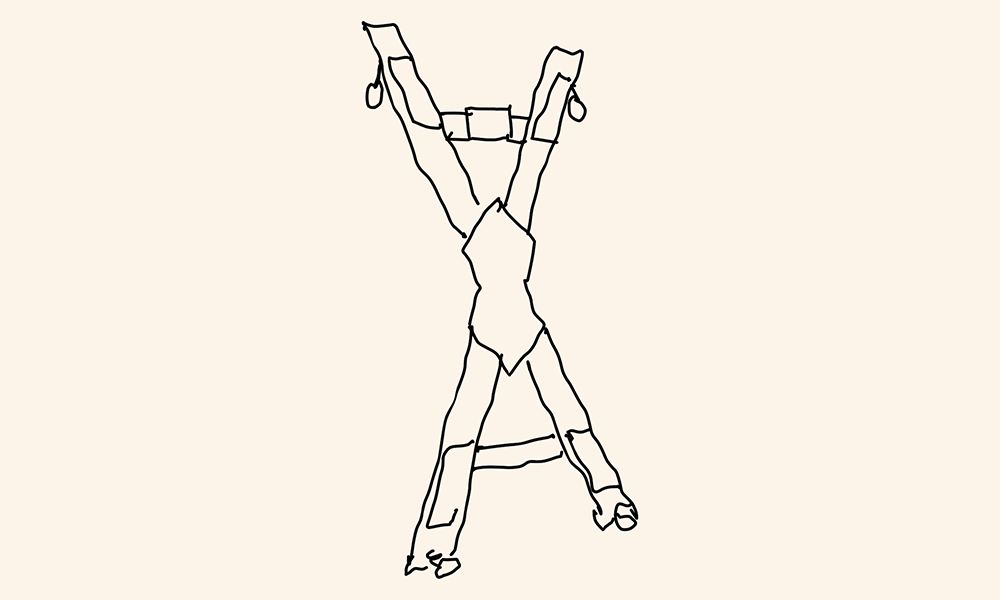
Exploring bdsm-2/”>BDSM: A beginner’s guide
- What is BDSM?
- Is BDSM normal?
- Why do people enjoy BDSM?
- Is BDSM safe?
- How can I try BDSM for the first time?
- What are the risks of BDSM?
- How do I talk to my partner about BDSM?
- Can BDSM be therapeutic or harmful?
- Where can I learn more about BDSM?
What is BDSM?
BDSM is an umbrella term encompassing a variety of erotic practices involving dominance and submission, role-playing, bondage, and other interpersonal dynamics. It stands for Bondage, Discipline/Dominance, Submission/Sadism, and Masochism. Each element can be explored individually or in combination, depending on personal preferences.
Contrary to some misconceptions, BDSM is not about abuse or coercion. It’s about consensual power exchange, with clear boundaries and agreements in place. It’s a form of expression that can enhance intimacy and trust between partners.
Is BDSM normal?
Yes, BDSM is a normal and healthy expression of sexuality for many people. It’s important to remember that ‘normal’ in sexuality is a broad spectrum and varies greatly from person to person. What matters most is consent, mutual enjoyment, and safety.
Myth vs Fact: BDSM is not a sign of psychological distress or past trauma. Many practitioners lead healthy, fulfilling lives and find BDSM enhances their relationships and personal growth.
Why do people enjoy BDSM?
People enjoy BDSM for a variety of reasons. Some find the power dynamics and role-play scenarios psychologically stimulating. Others enjoy the physical sensations, such as the rush of endorphins during a scene. Still others appreciate the deep trust and communication it fosters between partners.
For example, Alex might enjoy being blindfolded by Jordan, not knowing what sensation to expect next. This scenario combines elements of trust, surrender, anticipation, and surprise, all of which can be incredibly arousing for some people.
Is BDSM safe?
Like any sexual activity, BDSM involves risks. However, with proper knowledge, communication, and safety measures, these risks can be significantly reduced. It’s crucial to understand and respect each other’s boundaries, use safe words, and ensure all activities are consensual.
Emotional safety is just as important as physical safety. Aftercare, the practice of attending to each other’s emotional needs after a scene, is a vital part of BDSM.
Safety checklist
- Establish clear boundaries and safe words before starting a scene.
- Ensure all activities are consensual and respect each other’s limits.
- Use equipment safely and correctly. If you’re unsure, seek advice from experienced practitioners or professional resources.
- Monitor each other’s physical and emotional well-being during and after a scene. Stop immediately if something feels wrong.
- Provide aftercare, including emotional support, comfort, and debriefing after a scene.
How can I try BDSM for the first time?
Trying BDSM for the first time can be exciting and a little daunting. It’s important to start slow, communicate openly, and prioritize consent and safety. Remember, you don’t have to try everything at once. Start with something you’re both comfortable with and build from there.
You might say: “I’ve been curious about trying light bondage. How would you feel about using a silk scarf to tie my wrists? We can use ‘red’ as a safe word if either of us wants to stop.”
When choosing gear, ensure it fits well and is suitable for beginners. For example, if you’re exploring bondage, soft restraints like silk scarves or specialized bondage tape can be a good starting point.
Aftercare is crucial, especially for beginners. Plan for some comforting activities, like cuddling or sharing a warm drink, to help transition back to everyday reality after a scene.
Beginner steps
- Discuss your interests, boundaries, and fears with your partner.
- Agree on safe words to use during a scene.
- Start with a simple scenario or activity that you’re both comfortable with.
- Check in with each other regularly during the scene.
- Stop immediately if the safe word is used or if something feels wrong.
- Provide aftercare after the scene.
- Discuss the experience and any feelings that came up afterwards.
What are the risks of BDSM?
BDSM, like any sexual activity, carries potential risks. These can be physical, such as injury from improper use of equipment, or emotional, such as feelings of shame or guilt. It’s important to be aware of these risks and take steps to mitigate them.
One common mistake is rushing into a scene without proper negotiation or understanding of each other’s limits. This can lead to physical harm or emotional distress. Another risk is neglecting aftercare, which can leave a person feeling abandoned or uncared for after a scene.
Common mistakes
- Rushing into a scene without proper negotiation or understanding of each other’s limits.
- Ignoring safe words or signals.
- Using equipment without understanding how to use it safely and correctly.
- Neglecting aftercare, leaving a person feeling abandoned or uncared for after a scene.
- Not checking in with each other’s physical and emotional well-being during and after a scene.
How do I talk to my partner about BDSM?
Open, honest communication is key when introducing BDSM into your relationship. Start by discussing your interests, boundaries, and fears. Be respectful of your partner’s feelings and reactions, and remember that it’s okay if they’re not interested in the same things as you.
Aftercare planning is also an important part of the conversation. Discuss what each of you needs after a scene to feel cared for and understood.
Sample phrases
You might say: “I’ve been reading about BDSM and I’m curious about exploring some of the elements, like bondage and role-play. How do you feel about that?”
You might say: “I understand if you’re not comfortable with this. We can take it slow and only try things that we’re both okay with.”
You might say: “After a scene, I might need some quiet time and a warm blanket. What would you need for aftercare?”
Can BDSM be therapeutic or harmful?
Some people find BDSM therapeutic, as it can provide a safe space to explore power dynamics, overcome fears, or express parts of their identity. However, like any activity, it can be harmful if not practiced with care, respect, and consent.
If you’re exploring BDSM to cope with trauma or mental health issues, it’s important to seek guidance from a kink-aware professional. They can provide support and help you navigate any potential triggers or emotional challenges.
Where can I learn more about BDSM?
There are many resources available for learning more about BDSM. Here are a couple of reputable sources:
The National Coalition for Sexual Freedom provides educational resources and advocacy for the BDSM community.
Kink Academy offers educational videos on a wide range of BDSM topics, from beginner to advanced levels.