BDSM
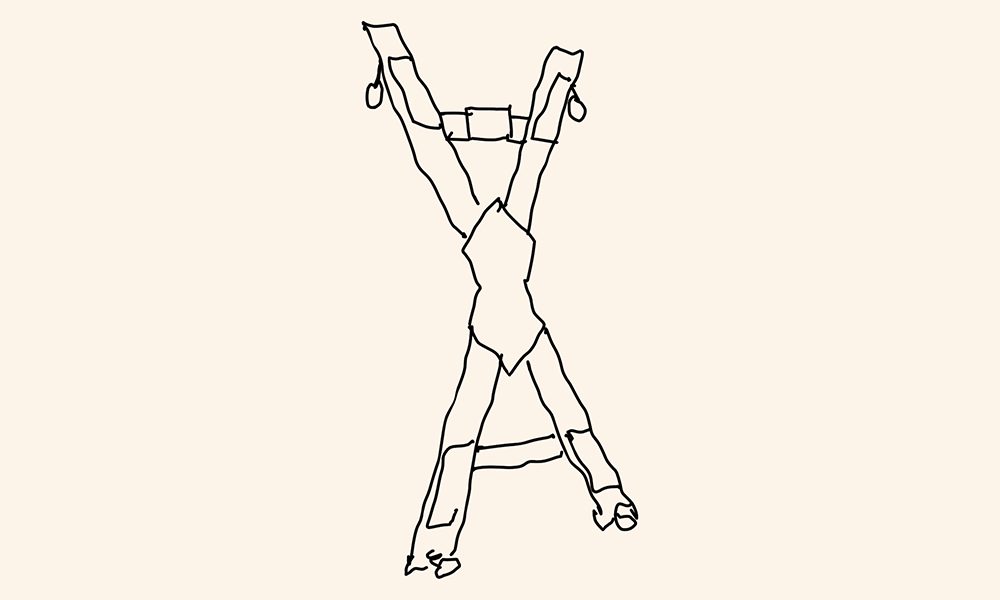
Exploring BDSM: A beginner’s guide
- What is BDSM?
- Is BDSM normal?
- Why do people enjoy BDSM?
- Is BDSM safe?
- How can I try BDSM for the first time?
- What are the risks of BDSM?
- How do I talk to my partner about BDSM?
- Can BDSM be therapeutic or harmful?
- Where can I learn more about BDSM?
What is BDSM?
BDSM is an umbrella term encompassing a variety of erotic practices involving dominance and submission, role-playing, bondage, and other interpersonal dynamics. It’s a consensual power exchange between individuals, often involving various tools and techniques to enhance the experience.
Contrary to some misconceptions, BDSM is not about abuse or coercion. It’s about exploring boundaries and sensations in a safe, consensual environment.
Is BDSM normal?
Yes, BDSM is a normal and healthy expression of sexuality for many people. It’s important to note that ‘normal’ in sexuality is a broad spectrum, and what’s normal for one person may not be for another.
Myth vs Fact: BDSM is not a sign of psychological distress or past abuse. It’s a consensual activity that can enhance intimacy and trust between partners.
Why do people enjoy BDSM?
People enjoy BDSM for a variety of reasons. Some find the power dynamics and role-play scenarios psychologically arousing. Others enjoy the physical sensations, such as the sting of a flogger or the restriction of a bondage rope.
For example, Alex might enjoy the feeling of control when they tie Jordan’s wrists, while Jordan might find the vulnerability of being bound exciting and intimate.
Is BDSM safe?
Like any sexual activity, BDSM involves risks. However, with proper knowledge, communication, and safety measures, these risks can be significantly reduced.
It’s crucial to understand the difference between BDSM and abuse. BDSM is consensual, negotiated, and agreed upon by all parties involved.
Safety checklist
- Establish a safe word or signal that can be used to stop the activity at any time.
- Check in regularly with your partner to ensure they’re comfortable and enjoying themselves.
- Be aware of potential physical risks, such as nerve damage from bondage or impact play.
- Consider the emotional risks and ensure aftercare is provided to help both parties process the experience.
How can I try BDSM for the first time?
If you’re interested in trying BDSM for the first time, it’s important to do your research and communicate openly with your partner. Discuss your desires, boundaries, and fears.
You might say: “I’ve been curious about exploring BDSM. How would you feel about trying some light bondage or role-play?”
Remember, it’s important to start slow and check in regularly with your partner. Aftercare, such as cuddling or discussing the experience, can help both parties process their feelings.
Beginner steps
- Research BDSM practices and dynamics.
- Communicate openly with your partner about your desires and boundaries.
- Establish a safe word or signal.
- Start with light activities, such as blindfolding or light bondage.
- Check in regularly with your partner during the activity.
- Provide aftercare after the session.
What are the risks of BDSM?
BDSM, like any sexual activity, carries potential risks. These can be physical, such as injury from bondage or impact play, or emotional, such as feelings of shame or guilt.
It’s important to be aware of these risks and take steps to mitigate them. This includes communicating openly with your partner, setting clear boundaries, and seeking professional advice if needed.
Common mistakes
- Not discussing boundaries and safe words before starting.
- Ignoring or not recognizing a partner’s discomfort or distress.
- Not providing or receiving adequate aftercare.
How do I talk to my partner about BDSM?
Communication is key when discussing BDSM with your partner. Be open about your desires and listen to their feelings and boundaries as well.
You might say: “I’ve been reading about BDSM and I’m interested in exploring some aspects of it. Can we discuss what that might look like for us?”
Sample phrases
You might say: “How do you feel about trying some light bondage?”
You might say: “What are your thoughts on role-play or power dynamics in the bedroom?”
Can BDSM be therapeutic or harmful?
For some people, BDSM can be therapeutic. It can provide a safe space to explore power dynamics, release control, or express parts of their identity. However, like any sexual activity, it can also be harmful if not practiced with consent, respect, and care.
If you’re unsure about any aspect of BDSM, it’s recommended to seek advice from a kink-aware professional.
Where can I learn more about BDSM?
There are many resources available to learn more about BDSM. Here are a few reputable sources:
National Coalition for Sexual Freedom: An educational organization that provides information about consensual adult sexual practices.
Kink Academy: An online resource offering educational videos on all aspects of BDSM.