BDSM
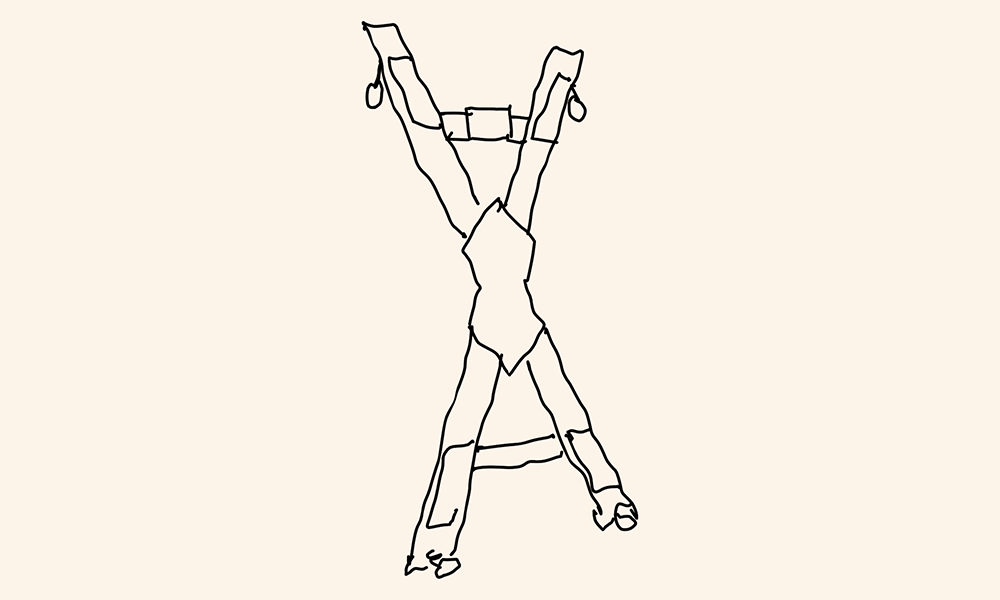
Exploring BDSM: A beginner’s guide
- What is BDSM?
- Is BDSM normal?
- Why do people enjoy BDSM?
- Is BDSM safe?
- How can I try BDSM for the first time?
- What are the risks of BDSM?
- How do I talk to my partner about BDSM?
- Can BDSM be therapeutic or harmful?
- Where can I learn more about BDSM?
What is BDSM?
BDSM is an umbrella term encompassing a variety of erotic practices involving dominance and submission, role-playing, bondage, and other interpersonal dynamics. It stands for Bondage and Discipline (BD), Dominance and Submission (DS), and Sadism and Masochism (SM).
While BDSM activities are often characterized by power dynamics, they can also involve elements of trust, intimacy, and mutual respect. It’s important to debunk the misconception that BDSM is inherently abusive or coercive. In reality, it’s a consensual practice between adults who set clear boundaries and respect each other’s limits.
Is BDSM normal?
Yes, BDSM is a normal aspect of human sexuality. It’s practiced by many people in various forms and intensities, from light bondage to more intense dominance and submission scenarios. The key factor is that all activities are consensual, respectful, and within the agreed-upon boundaries.
Myth vs Fact: BDSM is not a sign of psychological distress or past abuse. It’s a form of erotic expression that some people find intensely satisfying and adds to their overall quality of life.
Why do people enjoy BDSM?
People enjoy BDSM for a variety of reasons. Some find the power dynamics and role-playing elements exciting. Others enjoy the physical sensations associated with practices like bondage or spanking. For some, BDSM can create a deep sense of trust and intimacy with their partner.
For example, consider Alex and Jordan. They incorporate elements of BDSM into their relationship, with Alex taking on a dominant role and Jordan a submissive one. They find that this dynamic enhances their connection and provides a safe space for them to explore their desires and boundaries.
Is BDSM safe?
Like any sexual activity, BDSM can carry both physical and emotional risks. It’s crucial to understand these risks and how to mitigate them. Safe, sane, and consensual (SSC) is a common principle within the BDSM community that underlines the importance of everything being consensual, safe, and sensible.
Safety checklist
- Establish clear boundaries and safe words before any BDSM activity.
- Ensure all activities are consensual and within the comfort zone of all participants.
- Use equipment safely and hygienically, and ensure it’s in good condition.
- Monitor emotional well-being, and provide aftercare for all participants.
- Have a plan in place for potential physical or emotional emergencies.
How can I try BDSM for the first time?
If you’re interested in trying BDSM for the first time, it’s important to do some research and self-reflection first. Understand what aspects of BDSM interest you, and consider what you’re comfortable with. Remember, there’s no ‘right’ way to engage in BDSM, and it’s okay to start slow.
You might say: “I’ve been curious about trying BDSM. I’ve done some research and I’m interested in exploring it with you. How do you feel about it?”
Beginner steps
- Do your research: Learn about different aspects of BDSM to find what interests you.
- Self-reflection: Consider your boundaries, desires, and limits.
- Communication: Discuss your interests and boundaries with your partner.
- Start slow: Begin with less intense activities to ease into BDSM.
- Check-in: Regularly check in with your partner during and after activities.
- Aftercare: Plan for aftercare to ensure all participants feel safe and cared for.
What are the risks of BDSM?
BDSM, like any sexual activity, carries potential risks. These can be physical, such as injury from bondage or impact play, or emotional, such as feelings of shame or guilt. It’s important to be aware of these risks and take steps to mitigate them.
Common mistakes
- Skipping negotiation: It’s crucial to discuss boundaries, safe words, and potential risks before any BDSM activity.
- Ignoring emotional well-being: BDSM can bring up intense emotions. Regular check-ins and aftercare can help manage this.
- Not researching equipment: Using BDSM equipment incorrectly can lead to injury. Make sure you know how to use all equipment safely and correctly.
How do I talk to my partner about BDSM?
Open communication is key when discussing BDSM with your partner. It’s important to be honest about your interests and boundaries, but also to listen to your partner’s feelings and concerns.
Sample phrases
You might say: “I’ve been reading about BDSM and I’m interested in exploring it. I’d love to hear your thoughts on this.”
You might say: “I’m interested in trying BDSM. I think it could add a new dimension to our intimacy. How do you feel about giving it a try?”
Can BDSM be therapeutic or harmful?
For some people, BDSM can be therapeutic. It can provide a space to explore personal boundaries, develop deeper trust and intimacy with a partner, or even work through personal trauma. However, it’s not a replacement for professional mental health support.
On the other hand, like any sexual activity, BDSM can be harmful if not practiced with respect, consent, and care. If BDSM activities cause distress, or if boundaries are violated, it may be time to pause and seek professional advice.
Where can I learn more about BDSM?
There are many resources available for those interested in learning more about BDSM. Here are a couple of reputable sources:
National Coalition for Sexual Freedom (NCSF): An educational organization that provides information about alternative sexual expression.
Kink Academy: An online resource offering educational videos for all kinds of erotic play.